Rome 3-Day Itinerary: A Comprehensive Guide
Planning a Roman holiday? This guide offers a detailed, step-by-step plan for maximizing your three days in the Eternal City, covering iconic landmarks and hidden treasures.
Discover efficient routes, suggested eateries, and essential tips for an unforgettable experience, ensuring you see Rome’s highlights without feeling rushed or overwhelmed.
Day 1: Ancient Rome & Trastevere Charm
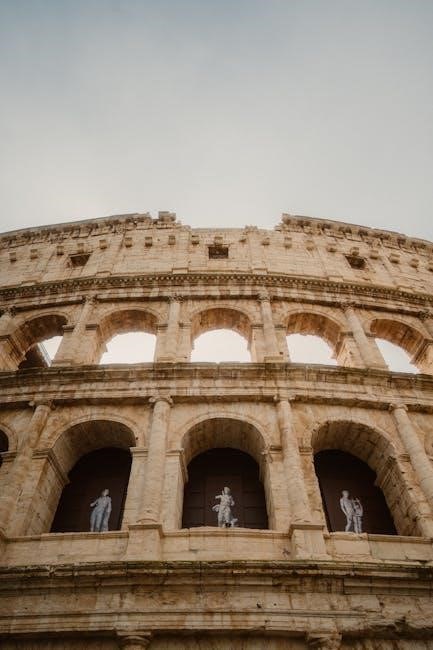
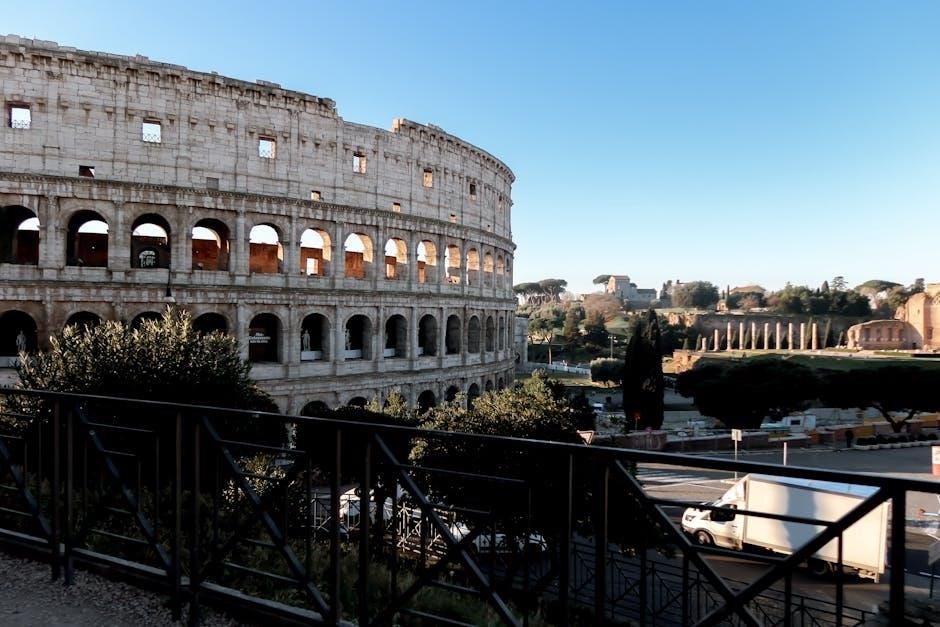
Embark on a journey through time! Day one focuses on the heart of the Roman Empire and the captivating neighborhood of Trastevere. Begin your adventure at the Colosseum, allowing ample time to explore this magnificent amphitheater and imagine the gladiatorial contests of old.
Next, wander through the Roman Forum, the bustling center of ancient Roman life, and ascend Palatine Hill for breathtaking panoramic views. Enjoy a delightful lunch near the Roman Forum, savoring authentic Italian cuisine.
In the afternoon, head to Capitoline Hill, designed by Michelangelo, and explore the Capitoline Museums, home to a remarkable collection of Roman art and artifacts. As evening descends, immerse yourself in the charming atmosphere of Trastevere.
Lose yourself in its narrow cobblestone streets, discover hidden gems, and indulge in a traditional Roman dinner at one of its many trattorias. This day blends historical grandeur with local charm, offering a perfect introduction to Rome’s multifaceted beauty.
Colosseum & Roman Forum Exploration
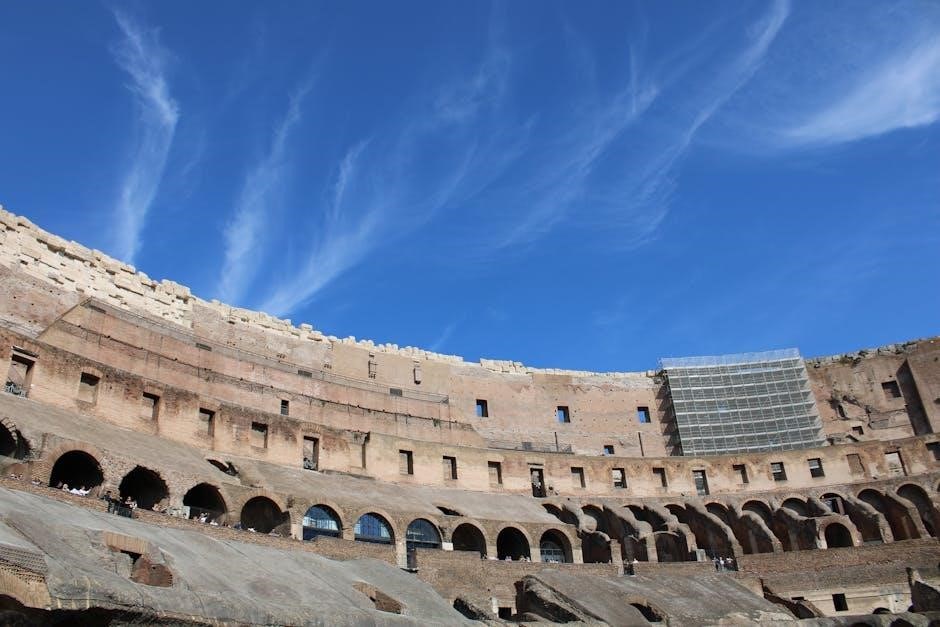
Step back in time at the Colosseum! Begin your exploration with pre-booked tickets to bypass the long queues – essential for maximizing your time. Allow at least three hours to fully appreciate this iconic amphitheater, imagining the gladiatorial contests and public spectacles that once unfolded within its walls.
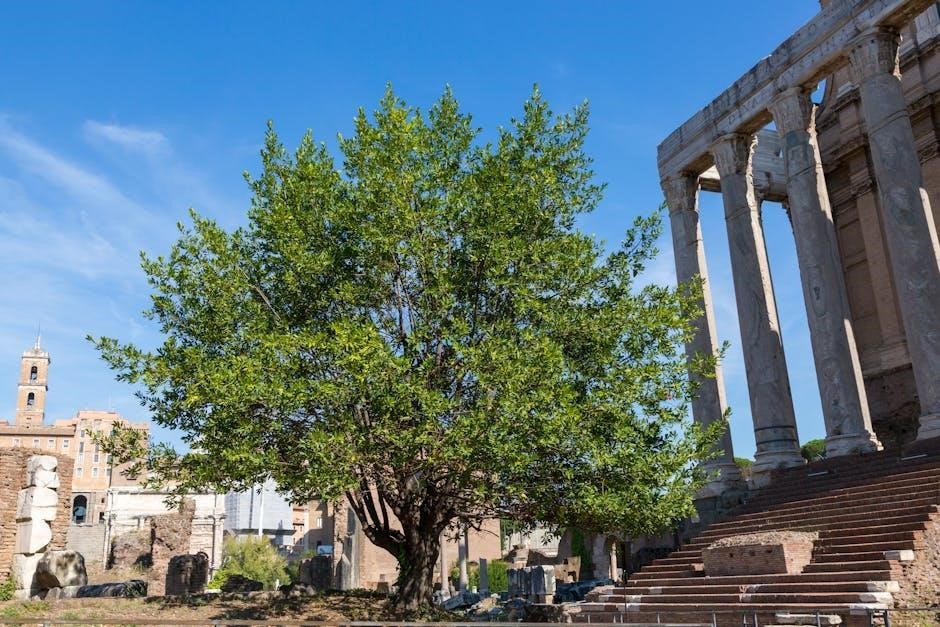
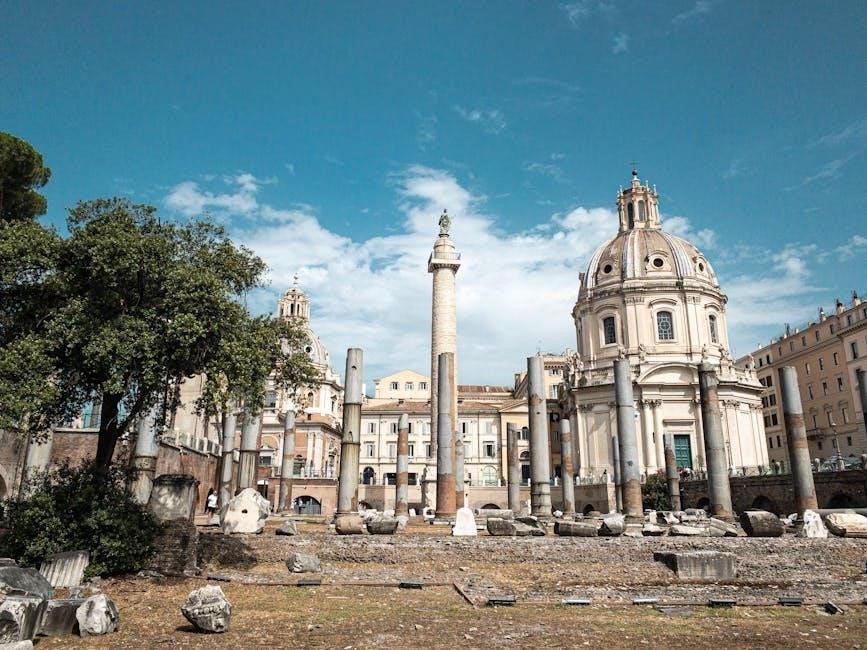
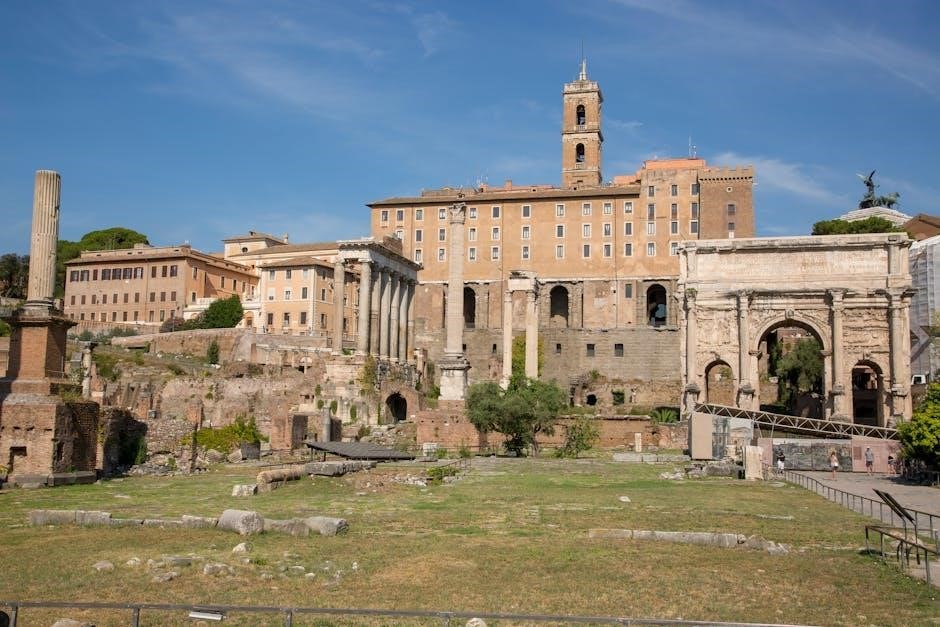
After the Colosseum, venture into the Roman Forum, the heart of ancient Rome’s political, religious, and social life. Wander amongst the ruins of temples, basilicas, and government buildings, picturing the bustling activity of centuries past.
Consider a guided tour to gain deeper insights into the Forum’s history and significance. Don’t miss the Temple of Saturn and the Arch of Titus. Comfortable shoes are a must, as you’ll be doing a lot of walking on uneven surfaces.
Take your time to absorb the atmosphere and imagine the grandeur of the Roman Empire. This immersive experience provides a foundational understanding of Rome’s rich history.
Palatine Hill: Views & History
Ascend Palatine Hill, one of the seven hills of Rome, and enjoy breathtaking panoramic views of the Roman Forum and the city. Legend claims this is where Romulus founded Rome, adding a layer of mythical significance to its historical importance.
Explore the ruins of imperial palaces, including those of Augustus, Tiberius, and Domitian, offering a glimpse into the opulent lifestyles of Rome’s emperors. The hill provides a tranquil escape from the bustling crowds below, allowing for peaceful contemplation.
Wander through the Farnese Gardens, a beautiful Renaissance garden offering shaded pathways and stunning vistas. Allow at least two hours to fully explore Palatine Hill and appreciate its historical and archaeological treasures.
Bring water and wear comfortable shoes, as the terrain can be uneven. The combination of history, views, and gardens makes Palatine Hill a truly rewarding experience, complementing your visit to the Roman Forum and Colosseum.
Lunch near the Roman Forum
After exploring the Roman Forum and Palatine Hill, refuel with a delicious lunch at one of the many trattorias and restaurants in the Monti neighborhood, conveniently located near the archaeological site. This charming area offers a variety of options to suit every taste and budget.
For a traditional Roman experience, try La Taverna dei Fori Imperiali, known for its authentic cuisine and cozy atmosphere. Alternatively, Aroma at Palazzo Manfredi provides stunning views of the Colosseum alongside its refined menu – a pricier, but memorable option.
Luzzi is a popular choice for quick, affordable, and tasty pasta dishes; Don’t forget to sample local specialties like cacio e pepe or amatriciana.
Consider grabbing a pizza al taglio (pizza by the slice) from a local bakery for a quick and casual bite. Remember to check reviews and make reservations, especially during peak season, to secure a table at your preferred restaurant.
Capitoline Hill & Museums
Ascend Capitoline Hill, designed by Michelangelo, for breathtaking panoramic views of the Roman Forum. This historically significant hill houses the Capitoline Museums, a complex showcasing a remarkable collection of Roman art and artifacts.
Explore the Palazzo dei Conservatori and Palazzo Nuovo, connected by the Galleria, to admire masterpieces like the bronze statue of Marcus Aurelius and the iconic Capitoline Wolf. The museums offer a fascinating journey through Roman history and artistry.
Don’t miss the Caffè Capitolino, designed by Giacomo Della Ratta, for a delightful break with stunning views. Allow at least 2-3 hours to fully appreciate the museums’ extensive collections.
Consider purchasing tickets online in advance to avoid long queues, especially during peak tourist season. The Capitoline Hill and Museums provide a captivating blend of art, history, and architectural grandeur, completing your exploration of Ancient Rome.
Day 2: Vatican City & Artistic Wonders
Today is dedicated to Vatican City, an independent city-state and the heart of the Catholic Church. Begin your day early to avoid the largest crowds and maximize your time exploring this spiritual and artistic center.
Prepare for a full day immersed in breathtaking art and history, starting with the Vatican Museums. These museums house an unparalleled collection spanning centuries, culminating in the awe-inspiring Sistine Chapel with Michelangelo’s iconic frescoes.
Afterward, enter St. Peter’s Basilica, a masterpiece of Renaissance architecture. Marvel at its grandeur, climb to the dome for panoramic views, and explore the papal tombs beneath.
Enjoy lunch near Vatican City before visiting Castel Sant’Angelo, a fascinating fortress with a rich history and stunning views. Pre-booking tickets online is highly recommended for both the Vatican Museums and Castel Sant’Angelo to save valuable time.
Vatican Museums & Sistine Chapel
The Vatican Museums represent a colossal complex housing one of the world’s greatest art collections, amassed by Popes throughout the centuries. Expect to spend at least three to four hours navigating its vast halls, filled with sculptures, paintings, and historical artifacts.
Highlights include the Raphael Rooms, adorned with stunning frescoes, and the Gallery of Maps, showcasing beautifully detailed topographical maps of Italy. However, the ultimate destination for most visitors is the Sistine Chapel.
Prepare to be mesmerized by Michelangelo’s breathtaking frescoes, including the iconic “Creation of Adam” and “The Last Judgment.” Remember that photography and talking are prohibited within the chapel to preserve the reverence of the space.
Pre-booking tickets online is absolutely essential to avoid extremely long queues, especially during peak season. Consider a guided tour to enhance your understanding and navigate the museum efficiently.
St. Peter’s Basilica: A Majestic Landmark
Dominating Vatican City, St. Peter’s Basilica is a breathtaking masterpiece of Renaissance architecture and one of the holiest sites in Christendom. Its sheer scale and opulent interior are truly awe-inspiring, reflecting centuries of artistic and religious devotion.
Explore the basilica’s vast nave, adorned with intricate mosaics and sculptures, and marvel at Michelangelo’s Pietà, a poignant depiction of the Virgin Mary cradling the body of Jesus. Ascend to the dome, designed by Michelangelo, for panoramic views of Rome – a climb well worth the effort!
Security checks are stringent, so be prepared for queues, especially during peak hours. Dress modestly – shoulders and knees must be covered. Admission is free, but there’s a fee to climb the dome and visit the Vatican Grottoes, the burial site of Popes.
Allow at least two to three hours to fully appreciate the basilica’s grandeur and historical significance. It’s a truly unforgettable experience and a cornerstone of any Roman itinerary.
Lunch near Vatican City
After immersing yourself in the splendor of Vatican City, refueling with a delicious lunch is essential. The area surrounding the Vatican offers a diverse range of dining options, from casual pizzerias to traditional trattorias.
For a quick and tasty bite, try Bonci Pizzarium, renowned for its innovative pizza al taglio (pizza by the slice) with unique and seasonal toppings; Alternatively, Borghiciana Pastificio Artigianale offers fresh, handmade pasta dishes at reasonable prices.
If you prefer a more sit-down experience, Ristorante dei Musei provides a charming atmosphere and classic Roman cuisine. Be aware that restaurants immediately surrounding St. Peter’s Square can be tourist traps, so venture a few blocks further for better value and authenticity.
Consider making a reservation, especially during peak season. Enjoy a leisurely lunch, savoring the flavors of Italy before continuing your Roman adventure. Don’t forget to try a local gelato for dessert!
Castel Sant’Angelo: History & Panoramic Views
Originally built as Emperor Hadrian’s mausoleum, Castel Sant’Angelo boasts a fascinating history, evolving from a tomb to a papal fortress. Explore its intriguing passageways and chambers, discovering centuries of Roman history within its imposing walls.
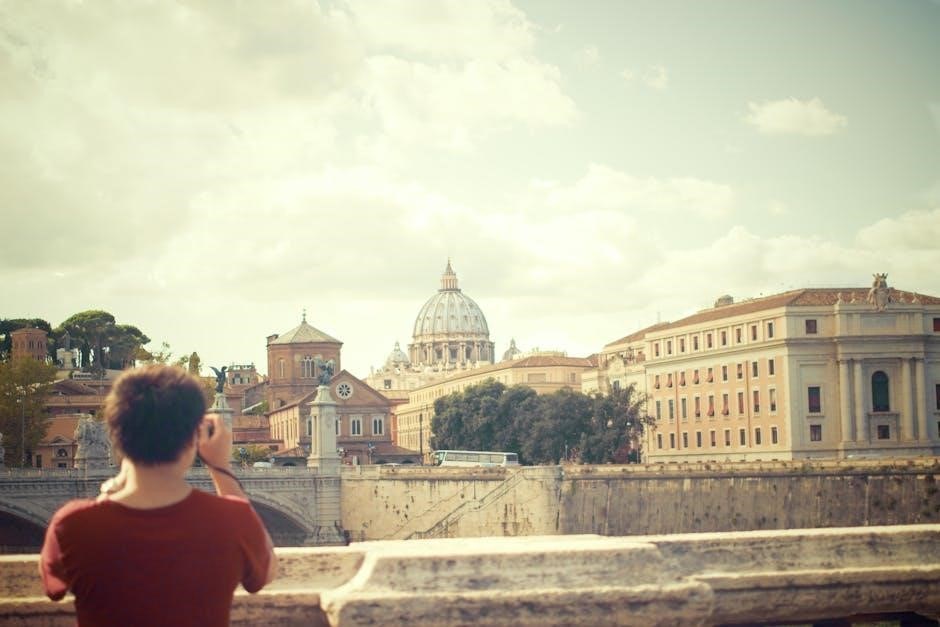
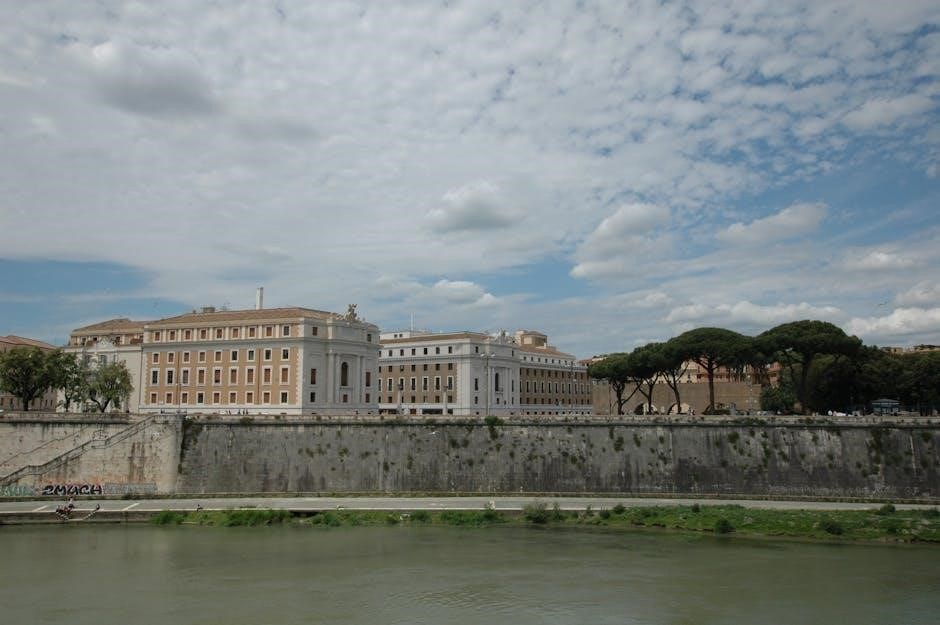
Ascend to the rooftop terrace for breathtaking panoramic views of Rome, including St. Peter’s Basilica and the Tiber River. The views are particularly stunning at sunset, offering a memorable photo opportunity.
The castle houses a museum showcasing a collection of papal apartments, Renaissance art, and historical artifacts. Allow ample time to wander through the various levels and appreciate the architectural details.
Don’t miss the Passetto di Borgo, a secret elevated passageway connecting Castel Sant’Angelo to the Vatican City, used by popes for escape during times of danger. It’s a captivating glimpse into Rome’s past and a must-see for history enthusiasts.
Day 3: Fountains, Squares & Hidden Gems
Today focuses on Rome’s iconic fountains and vibrant squares, alongside discovering some lesser-known treasures. Begin your day at the Trevi Fountain, tossing a coin into its waters to ensure your return to the Eternal City – a beloved Roman tradition!
Next, marvel at the architectural genius of the Pantheon, a remarkably preserved ancient Roman temple. Its oculus offers a unique connection to the sky and a sense of awe-inspiring grandeur.
Piazza Navona, with its baroque fountains and lively atmosphere, is perfect for people-watching and enjoying a leisurely coffee. Admire the Fountain of Four Rivers, a masterpiece by Bernini.
Ascend the Spanish Steps, connecting Piazza di Spagna with the Trinità dei Monti church, and indulge in some window shopping along the upscale Via Condotti. Conclude your Roman adventure with a delightful dinner and the charming ambiance of Trastevere.
Trevi Fountain: Toss a Coin
Begin your final day with a visit to the magnificent Trevi Fountain, arguably Rome’s most famous and visually stunning fountain. Completed in 1762, it’s a Baroque masterpiece depicting Oceanus, the god of all water, riding a shell-shaped chariot pulled by seahorses and tritons.
Legend dictates that tossing a coin into the fountain guarantees a return trip to Rome. Ensure you use your right hand and throw the coin over your left shoulder – a tradition followed by visitors for centuries!
Be prepared for crowds, especially during peak season. Arriving early in the morning offers a more peaceful experience and better photo opportunities. Take time to admire the intricate details of the sculptures and the fountain’s overall grandeur.
The surrounding area offers charming cafes and shops, perfect for a quick breakfast or souvenir shopping before continuing your exploration of Rome’s hidden gems.
Pantheon: Architectural Marvel
Next, immerse yourself in the awe-inspiring Pantheon, a remarkably preserved ancient Roman temple, now a church. Originally dedicated to all the gods, its architectural brilliance continues to captivate visitors today. Completed around 126 AD during Emperor Hadrian’s reign, it stands as a testament to Roman engineering prowess.
Marvel at the massive dome, a feat of construction that remained unparalleled for centuries. The oculus, a central opening at the dome’s apex, allows natural light to flood the interior, creating a breathtaking atmosphere. Observe how the light shifts throughout the day, altering the space’s ambiance.
The Pantheon also serves as the final resting place for notable figures, including the Renaissance artist Raphael. Take a moment to appreciate the building’s historical significance and artistic beauty.
Entry is free, but be mindful of respectful attire when visiting as it is a functioning church. The surrounding piazza is a vibrant hub, offering cafes and a perfect spot for people-watching.
Piazza Navona: Baroque Beauty
Continue your Roman exploration to Piazza Navona, a stunning Baroque square built on the site of the Stadium of Domitian. This lively piazza is renowned for its magnificent fountains and vibrant atmosphere, making it a must-see destination.
Dominating the square is Bernini’s Fountain of Four Rivers, a dramatic sculpture representing the Nile, Ganges, Danube, and Río de la Plata. Admire the intricate details and the allegorical figures embodying each river’s characteristics.
Alongside Bernini’s masterpiece, you’ll find the Fountain of Neptune and the Fountain of the Moor, each contributing to the piazza’s artistic splendor. Street artists, performers, and vendors add to the energetic ambiance.
Enjoy a leisurely stroll around the piazza, soak in the atmosphere, and perhaps indulge in a gelato or a coffee at one of the surrounding cafes. Piazza Navona is a perfect place to experience the heart of Roman life.
Spanish Steps & Via Condotti Shopping
Ascend the iconic Spanish Steps, a monumental stairway of 135 steps connecting Piazza di Spagna with the Trinità dei Monti church. This picturesque landmark is a favorite among locals and tourists alike, offering stunning views of the city.
Take a moment to relax on the steps, people-watch, and enjoy the vibrant atmosphere. The area surrounding the Spanish Steps is renowned for its high-end shopping, particularly along Via Condotti.
Via Condotti is a haven for luxury brands, featuring boutiques of renowned Italian and international designers like Gucci, Prada, and Valentino. Even if you’re not planning to make a purchase, window shopping is a delightful experience.
Explore the charming side streets branching off from Via Condotti, where you’ll discover smaller boutiques, artisan shops, and delightful cafes. This area offers a blend of elegance, history, and modern Italian style.
Trastevere Evening: Dinner & Atmosphere
As evening descends, venture into Trastevere, a charming neighborhood west of the Tiber River, known for its cobblestone streets, lively atmosphere, and authentic Roman trattorias. This district offers a delightful escape from the bustling tourist areas.
Wander through the narrow, winding streets, soaking in the bohemian vibe and admiring the ivy-covered buildings. Trastevere is a photographer’s dream, with picturesque corners at every turn.
Choose from a plethora of restaurants, ranging from traditional Roman cuisine to international flavors. Many trattorias offer outdoor seating, allowing you to enjoy your meal al fresco.
Indulge in classic Roman dishes like cacio e pepe, amatriciana, or saltimbocca, accompanied by a glass of local wine. After dinner, enjoy a leisurely stroll, perhaps stopping for gelato or a drink at a local bar.
Trastevere truly comes alive at night, with a vibrant energy that’s both captivating and inviting. It’s the perfect place to experience the authentic Roman lifestyle.