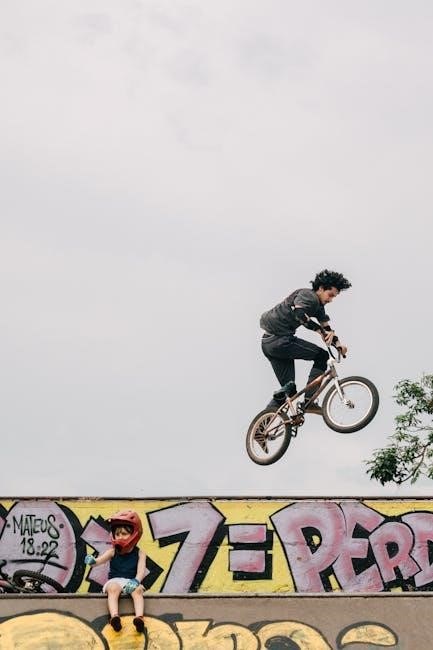
BMX manuals are fundamental skills‚ offering immense fun and opening doors to advanced tricks; mastering them requires dedication and consistent practice‚ utilizing a manual trainer.
What is a BMX Manual?
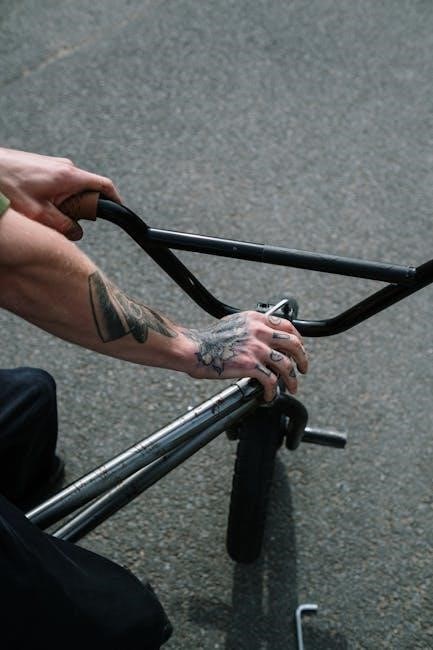
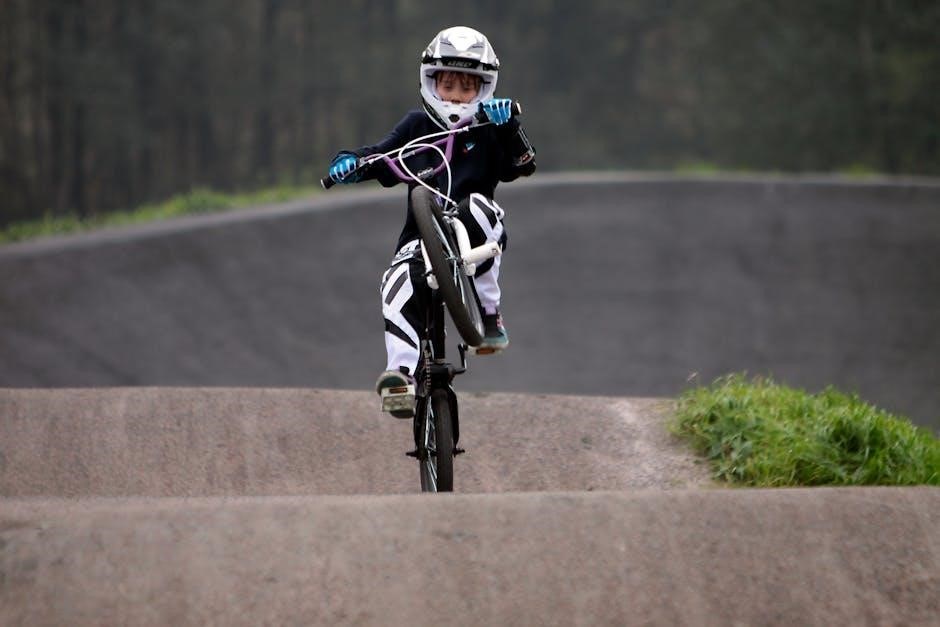
A BMX manual is a trick where the rider balances on the rear wheel‚ lifting the front wheel off the ground without pedaling. It’s a core skill‚ demanding precise balance and control. Unlike a wheelie‚ a manual doesn’t rely on pedal power for sustained lift.
Essentially‚ it’s about shifting your weight backward and using body positioning to maintain equilibrium. A manual trainer can be incredibly helpful for beginners‚ providing initial support and building muscle memory. Learning a manual isn’t just about the trick itself; it enhances overall bike control and prepares you for more complex maneuvers. It’s a building block for progression in BMX riding.
Why Learn to Manual?
Learning to manual unlocks a new dimension of BMX riding‚ boosting confidence and bike control. It’s not merely a trick; it’s a foundational skill that enhances all aspects of your riding. Manuals allow for smoother transitions‚ creative line choices‚ and the ability to navigate obstacles with greater finesse.
A manual trainer can accelerate the learning process‚ providing a safe and supportive environment to develop the necessary balance and technique. Mastering manuals opens the door to more advanced tricks and styles. It’s a visually impressive skill that demonstrates a rider’s dedication and control‚ elevating their overall riding experience.
Understanding the Fundamentals
BMX manual success hinges on body positioning‚ weight distribution‚ and handlebar/pedal control; a manual trainer emphasizes these core elements for optimal learning.
Body Positioning for Manuals
Achieving the correct body position is paramount for successful BMX manuals. Begin by adopting a neutral stance on the bike‚ with your weight centered. A slight bend in your elbows and knees is crucial for absorbing impacts and maintaining control.
The core engagement is vital; think about bracing your abdominal muscles. As you initiate the manual‚ subtly shift your weight backward‚ keeping your back relatively flat. Avoid excessive leaning‚ as this can lead to looping out. A manual trainer can help reinforce this proper positioning through guided practice.
Your head and shoulders should remain aligned with the bike‚ looking forward to maintain balance. Experiment with small adjustments to find the sweet spot where you feel balanced and in control. Remember‚ consistency in body position is key to progressing.
Weight Distribution and Balance
Mastering weight distribution is central to performing consistent BMX manuals. Initially‚ focus on finding your center of gravity. As you lift the front wheel‚ subtly shift your weight rearward‚ but avoid an abrupt or drastic movement.
Balance isn’t static; it’s a constant adjustment. Use your arms and core to make micro-corrections‚ preventing the bike from tipping too far back or falling forward. A manual trainer assists in developing this “feel” for balance‚ providing support and feedback.
Think of it as a delicate dance between weight and momentum. Practice shifting your weight incrementally‚ learning how small adjustments impact the bike’s balance. Consistent practice builds muscle memory and improves your overall control.
The Role of Handlebars and Pedals
Handlebars play a crucial role in initiating and controlling a BMX manual. A gentle pull-up‚ combined with weight shifting‚ lifts the front wheel. Avoid excessive force; finesse is key. Your arms should remain relaxed and act as stabilizers‚ not levers.
Pedals are equally important for balance. Maintaining a slight bend in your knees allows for subtle adjustments. A manual trainer can help you understand how pedal position affects stability. Keeping your feet level and engaged provides a solid base.
Coordinating handlebar input with pedal adjustments creates a smooth‚ controlled manual. Practice finding the sweet spot where both work in harmony‚ maximizing balance and control.
Step-by-Step Guide to Learning a Manual
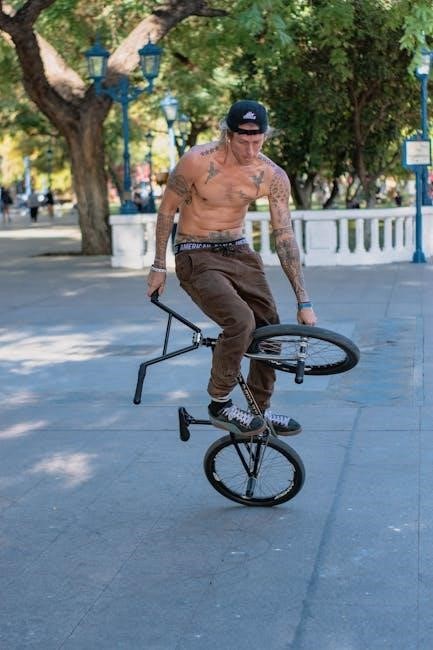
Learning a manual involves finding the balance point‚ lifting the front wheel‚ and engaging your core; a manual trainer aids progression and builds confidence.
Step 1: Finding the Balance Point
Initially‚ focus on understanding where your center of gravity lies while stationary on the BMX bike. A manual trainer can be incredibly beneficial here‚ providing a stable platform to experiment with weight shifts. Gently rock the bike back and forth‚ feeling for the point where the front wheel wants to lift without active effort.
This isn’t about brute force; it’s about subtle adjustments. Practice shifting your weight backward slightly while maintaining a relaxed upper body. The trainer helps prevent immediate falls‚ allowing you to concentrate on this crucial balance feel. Visualize a line extending from your hips through the rear axle – this is your axis of rotation. Consistent practice with the manual trainer builds muscle memory and confidence‚ preparing you for the next stage.
Step 2: Lifting the Front Wheel
Once comfortable with the balance point‚ begin incorporating a gentle pull on the handlebars combined with a subtle weight shift rearward. A manual trainer continues to assist‚ providing support as you initiate the lift. Avoid a jerky motion; think smooth and controlled. The goal isn’t to launch the front wheel high‚ but to find that initial lift and hold it.
Focus on using your core and legs to drive the movement‚ not solely relying on arm strength. The trainer allows you to practice this repeatedly without the fear of tipping. Experiment with different levels of pull and weight transfer to discover what works best for your body. Remember‚ small adjustments yield significant results when using a manual trainer.
Step 3: Maintaining Balance – The Core Engagement
Maintaining a manual hinges on consistent core engagement. As the front wheel lifts‚ actively tighten your abdominal muscles – imagine bracing for a punch. A manual trainer provides a safety net‚ allowing focused core work. Subtle shifts in body weight‚ guided by your core‚ correct imbalances. Avoid excessive handlebar input; it’s about finesse‚ not force.
The trainer helps build muscle memory for these adjustments. Keep your elbows slightly bent and relaxed‚ acting as shock absorbers. Focus on looking ahead‚ not down at the front wheel. Using a manual trainer during this stage builds confidence and refines balance‚ crucial for independent manuals.
Common Mistakes and How to Avoid Them
Common errors include leaning back too much or relying heavily on handlebars; a manual trainer aids correction‚ promoting proper form and balanced technique.
Leaning Too Far Back
Leaning excessively backward is a frequent stumbling block for beginners attempting BMX manuals. This often happens as an instinctive reaction to lift the front wheel‚ but it throws off your center of gravity. Consequently‚ control diminishes‚ and the rider risks looping out or losing balance entirely.
A manual trainer can be incredibly beneficial in addressing this issue. By providing a stable point of contact and encouraging a more centered body position‚ it helps riders develop the muscle memory needed to maintain balance without overextending. The trainer subtly guides you‚ preventing that drastic lean and fostering a more controlled lift. Consistent practice with a trainer builds confidence and reinforces the correct technique‚ ultimately leading to smoother‚ more sustainable manuals.
Using Too Much Handlebar
Relying heavily on the handlebars to initiate and maintain a BMX manual is a common mistake. While a gentle pull is necessary‚ overdoing it creates an unstable and jerky motion‚ hindering smooth balance. This excessive handlebar input often stems from a lack of core engagement and proper weight distribution.
A manual trainer assists in breaking this habit by encouraging riders to focus on body positioning and core strength. The trainer’s support reduces the reliance on arm strength‚ prompting a more balanced and controlled lift. It allows you to feel how subtle shifts in weight‚ rather than forceful handlebar movements‚ are key to sustaining the manual. This focused practice builds the necessary muscle memory for a cleaner‚ more efficient technique.
Incorrect Pedal Position
Maintaining the correct pedal position is crucial for BMX manual success‚ often overlooked by beginners. Having your pedals too high or too low disrupts balance and makes initiating the manual significantly harder. A slightly downward pedal position provides a stable base and allows for subtle weight adjustments.
A manual trainer can help address this by providing a stable platform‚ allowing riders to concentrate on finding that optimal pedal placement. The trainer’s support minimizes the fear of falling‚ enabling focused experimentation with pedal angles; It reinforces the feeling of a balanced‚ controlled lift‚ emphasizing how even minor pedal adjustments impact stability and manual duration.
Progressing Your Manual Skills
Manual trainers aid progression by building confidence and control‚ enabling longer durations‚ obstacle clearance‚ and linking manuals seamlessly for advanced BMX riding.
Extending Manual Duration
Extending manual duration is a key progression step‚ and a manual trainer can be incredibly beneficial. These devices provide a supportive rolling platform‚ allowing riders to focus on balance and core engagement without the immediate fear of falling.
Initially‚ use the trainer to simply hold a manual for longer periods‚ gradually increasing the time. Concentrate on maintaining a consistent body position and subtle adjustments with your weight and handlebars.
As you become more comfortable‚ practice small weight shifts while maintaining the manual. The trainer’s support allows for experimentation and builds muscle memory. Remember‚ smooth‚ controlled movements are more effective than jerky ones. Consistent practice with a manual trainer will translate to longer‚ more stable manuals on flat ground.
Manuals Over Obstacles
Manuals over obstacles represent a significant advancement‚ demanding precise control and confidence. A manual trainer can bridge the gap between flat ground manuals and obstacle attempts‚ providing a safe and controlled environment for practice.
Start with very small obstacles‚ like a slightly raised plank or a line painted on the ground. Use the trainer to build the muscle memory of lifting and maintaining a manual over something. Focus on keeping your body centered and absorbing the impact with your arms and legs.
Gradually increase the obstacle height as your confidence grows. The manual trainer allows you to repeatedly practice this movement‚ refining your technique and minimizing the risk of falls. Remember to maintain a smooth‚ fluid motion throughout the entire maneuver.
Linking Manuals Together
Linking manuals transforms individual tricks into flowing lines‚ showcasing true bike control. A manual trainer proves invaluable here‚ allowing riders to practice the transitions between manuals without the frustration of constant dismounts.
Begin by focusing on smooth weight shifts between each manual attempt. The trainer provides stability‚ enabling you to concentrate on maintaining balance and initiating the next lift. Practice short‚ controlled links‚ gradually increasing the distance between each manual.
Visualize the entire sequence before attempting it. The manual trainer helps build the necessary muscle memory and coordination for seamless transitions‚ ultimately leading to longer‚ more impressive linked manual runs.

Advanced Manual Techniques
Advanced techniques like nose and tail manuals demand precision; a manual trainer assists in developing the core strength and balance needed for these complex maneuvers.
Nose Manuals
Nose manuals represent a significant progression from standard manuals‚ requiring a shift in weight distribution and a refined sense of balance; Unlike a regular manual‚ the weight is focused over the front wheel‚ demanding precise control to prevent looping out or falling forward.
A manual trainer can be incredibly beneficial in learning nose manuals. It provides a stable platform to practice shifting your weight and finding that crucial balance point. Start by practicing small weight shifts while rolling slowly‚ gradually increasing the amount of weight over the front wheel. The trainer helps build confidence and muscle memory‚ allowing you to isolate the necessary movements without the fear of immediate failure.
Focus on keeping your chest open and your arms extended‚ using them for subtle adjustments. Remember‚ patience and consistent practice are key to mastering this challenging technique.
Tail Manuals
Tail manuals are arguably one of the most challenging manual variations‚ demanding exceptional balance and coordination. This trick involves lifting the rear wheel while balancing on the front wheel and the tail of the bike‚ requiring a unique weight distribution and precise control.
Utilizing a manual trainer can significantly aid in learning tail manuals. The trainer provides a stable base to practice the necessary weight shift and body positioning. Begin by slowly rolling and attempting to lift the rear wheel‚ using the trainer for support. Focus on keeping your weight centered and your core engaged.
Gradually reduce reliance on the trainer as your balance improves. Remember‚ consistent practice and a patient approach are crucial for mastering this advanced technique.
Manual to 180s
Manual to 180s represent a significant progression‚ blending balance with rotational control. This advanced trick involves initiating a 180-degree turn while sustaining a manual‚ demanding precise timing and body awareness. It’s a visually impressive move that showcases a rider’s skill and confidence.
A manual trainer can be invaluable when learning this technique. It provides stability while you practice the initial weight shift and rotation. Start by performing a manual and then gently initiating a turn‚ using the trainer to prevent falling.
Focus on spotting your landing and committing to the rotation. Gradually reduce reliance on the trainer as your control increases‚ aiming for a smooth‚ fluid 180-degree turn during the manual.
Training Drills for Manual Improvement
Utilizing a manual trainer BMX enhances balance and control; practice consistent‚ short manuals‚ gradually increasing duration‚ and incorporate slow‚ controlled turns for progress.
Balance Board Training
Balance board training is a fantastic supplementary exercise for manual trainer BMX riders‚ directly translating to improved balance and core strength – crucial for holding manuals. These boards simulate the unstable feeling of a manual‚ forcing your body to constantly make micro-adjustments to stay centered.
Start with simple exercises like standing on the board and maintaining balance. Progress to rocking motions‚ mimicking the weight shifts involved in a manual. Incorporating a manual trainer alongside the balance board can further refine technique. Focus on engaging your core and keeping your upper body relaxed. Regular balance board sessions will build proprioception‚ enhancing your overall bike control and making manualing significantly easier.
Remember to practice near a wall or with a spotter initially‚ ensuring a safe training environment.
Spotting and Assistance
When first learning manuals‚ especially with a manual trainer BMX setup‚ having a spotter is invaluable for both confidence and safety. A spotter can provide gentle support‚ helping you find the balance point and preventing awkward falls.
The spotter should stand beside you‚ offering a hand on your back or shoulder‚ ready to assist if needed. They shouldn’t do the manual for you‚ but rather provide a stabilizing presence. Verbal cues from the spotter – “weight back‚” “core tight” – can also be incredibly helpful.
Gradually reduce the spotter’s assistance as your balance improves‚ ultimately aiming to manual independently. Remember‚ a good spotter prioritizes safety and encourages progressive learning.
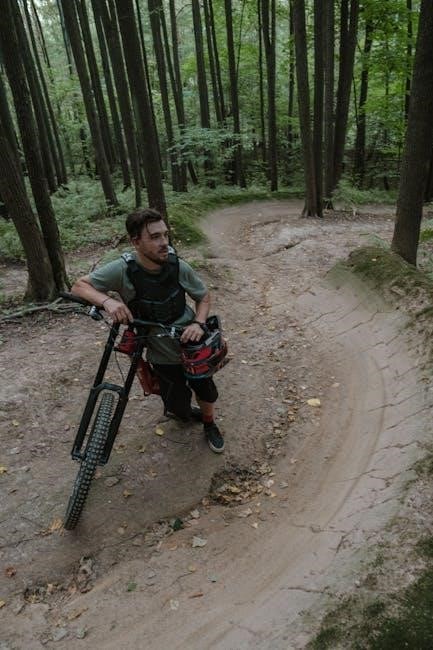
Safety Considerations for Manual Practice
BMX manual practice‚ even with a manual trainer‚ necessitates protective gear – helmet‚ pads – and a smooth‚ open space free from obstacles.
Protective Gear
BMX manual practice‚ whether utilizing a manual trainer or learning freehand‚ demands prioritizing safety through appropriate protective gear. A properly fitted helmet is non-negotiable‚ safeguarding against head injuries during inevitable falls. Knee and elbow pads are crucial‚ minimizing abrasions and impact damage to joints.
Consider wrist guards‚ especially for beginners‚ as outstretched hands often absorb impact. Sturdy shoes with good grip enhance control and prevent slips. Even when using a manual trainer for assisted learning‚ falls can occur‚ emphasizing the importance of full protective coverage. Regularly inspect gear for wear and tear‚ replacing items as needed to maintain optimal protection.
Choosing a Safe Practice Area
Selecting a suitable practice area is paramount when learning BMX manuals‚ even with a manual trainer assisting. Opt for smooth‚ flat surfaces like empty parking lots or skateparks during off-peak hours. Avoid areas with traffic‚ obstacles‚ or uneven terrain that could increase the risk of accidents.
A slight downward slope can aid initial balance‚ but excessive incline is dangerous. Ensure ample space for maneuvering and potential falls. Check for debris like rocks or gravel. When using a manual trainer‚ confirm the surface provides stable support for the device. Prioritize visibility and avoid practicing in dimly lit areas.