
New England Travel Guide: A Comprehensive Overview
Discover the charm of New England! This guide details budgeting, transportation, destinations, and unique experiences, ensuring an unforgettable journey through this historic region.
New England, a captivating corner of the United States, boasts a rich history, stunning landscapes, and a unique cultural identity. Comprising six states – Connecticut, Maine, Massachusetts, New Hampshire, Rhode Island, and Vermont – it offers a diverse range of experiences for every traveler. From the rocky coastline of Maine, famed for its lobsters and picturesque lighthouses, to the vibrant fall foliage of Vermont and the historical significance of Massachusetts, New England truly has it all.
Whether you’re seeking a relaxing coastal getaway, an adventurous outdoor excursion, or a deep dive into American history, New England welcomes you with open arms. This region is renowned for its charming small towns, delicious seafood, and a palpable sense of tradition. Prepare to be enchanted by its beauty and captivated by its stories!
Best Time to Visit New England
Determining the ideal time to visit New England depends on your priorities. For vibrant fall foliage, September and October are peak seasons, though expect higher prices and larger crowds. Summer (June-August) offers warm weather perfect for beach trips and outdoor activities, but is also the most popular – and expensive – time to travel.
Consider the “shoulder seasons” – spring (April-May) and late summer (late August) – for pleasant weather, fewer tourists, and potentially lower costs. While winter (December-March) brings opportunities for skiing and snowboarding, some attractions may have limited hours. Traveling during these off-peak times can significantly reduce accommodation expenses and enhance your overall experience.
Budgeting for a New England Trip
Planning a New England adventure requires careful budgeting. Costs vary significantly based on travel style, duration, and chosen destinations. A 7-day solo trip averages around $1,657, while a couple can expect to spend approximately $2,976. Families of four should budget around $5,579. These figures include accommodation, transportation, food, and activities.
Accommodation is a major expense, with hotels ranging from $59 to $270 per night (averaging $104), and vacation rentals costing $180 to $420 nightly. Road trips are generally more affordable than flying, but factor in gas and potential car rental fees. Consider exploring affordable lodging options and traveling during the shoulder season to maximize savings.
Average Trip Costs (Solo, Couple, Family)
Understanding the financial commitment is crucial for New England travel planning. For a solo adventurer, anticipate an average expenditure of $1,657 for a week-long exploration. Couples should budget around $2,976 to comfortably enjoy the region’s offerings. Larger groups, specifically families of four, will likely require approximately $5,579 to cover expenses.
These estimates encompass essential costs like lodging, meals, transportation, and activity fees. Remember these are averages; actual spending can fluctuate based on choices. Luxurious accommodations and dining will naturally increase costs, while opting for budget-friendly alternatives can significantly reduce overall trip expenses. Careful planning is key to staying within your desired budget.
Accommodation Costs: Hotels vs. Vacation Rentals
Choosing between hotels and vacation rentals significantly impacts your New England trip budget. Hotels typically range from $59 to $270 per night, with an average cost of $104. This provides convenience and often includes amenities like daily housekeeping and on-site dining.
Vacation rentals, offering more space and privacy, generally cost between $180 and $420 per night for an entire home. These are ideal for families or groups seeking a home-away-from-home experience, often including kitchen facilities to reduce dining expenses. Consider your travel style and group size when deciding; vacation rentals can offer better value for longer stays and larger parties.
Transportation in New England
Navigating New England offers diverse options, but a road trip is often the preferred method for experiencing its scenic beauty and charming towns. Having a car grants flexibility to explore coastal routes, mountain vistas, and hidden gems at your own pace. However, consider potential traffic, especially during peak seasons like fall foliage.
Alternatively, flying into nearby cities like Boston or Hartford can be cost-effective, particularly if you find cheaper flights. From there, you can rent a car or utilize regional bus and train services. Weigh the convenience of direct access against the potential savings of flying into a hub airport before finalizing your travel plans.
Road Trips: The Preferred Method
Embarking on a New England road trip unlocks the region’s full potential. The freedom to deviate from planned routes, discover quaint villages, and linger at breathtaking overlooks is unparalleled. Coastal Maine’s winding roads, Vermont’s scenic byways, and the historic trails of Massachusetts are best explored by car.
A road trip allows you to pack efficiently, bringing outdoor gear for hiking or beach days. Consider a 10-day “Lobsters & More” tour, starting in Hartford and ending in Bangor, covering 465 miles. Remember to factor in gas costs and potential parking fees, but the immersive experience is well worth the investment.
Considering Flights to Nearby Cities
For travelers seeking cost-effective options, flying into cities bordering New England can be advantageous. Montreal or Buffalo, for instance, often present cheaper flight and car rental deals compared to direct flights into New England hubs. This strategy can significantly reduce overall trip expenses, particularly for longer stays.
However, carefully calculate the added driving time and associated fuel costs. While accommodation within New England’s prime areas might be pricier, venturing a couple of hours outside these zones can yield substantial savings. Weigh the convenience of direct access against the potential financial benefits of flying into a nearby city.
Top Destinations in New England
New England boasts a diverse range of destinations, each offering unique attractions. Coastal Maine is renowned for its picturesque lighthouses and, of course, its delectable lobster. Vermont captivates visitors with stunning fall foliage and abundant outdoor activities, from hiking to skiing.
Massachusetts seamlessly blends history and culture, offering iconic landmarks and vibrant city life. Explore charming towns, historical sites, and breathtaking natural landscapes throughout the region. Each state presents a distinct flavor, ensuring a memorable experience for every traveler. Discover the beauty and charm that defines New England!
Coastal Maine: Lobsters and Lighthouses
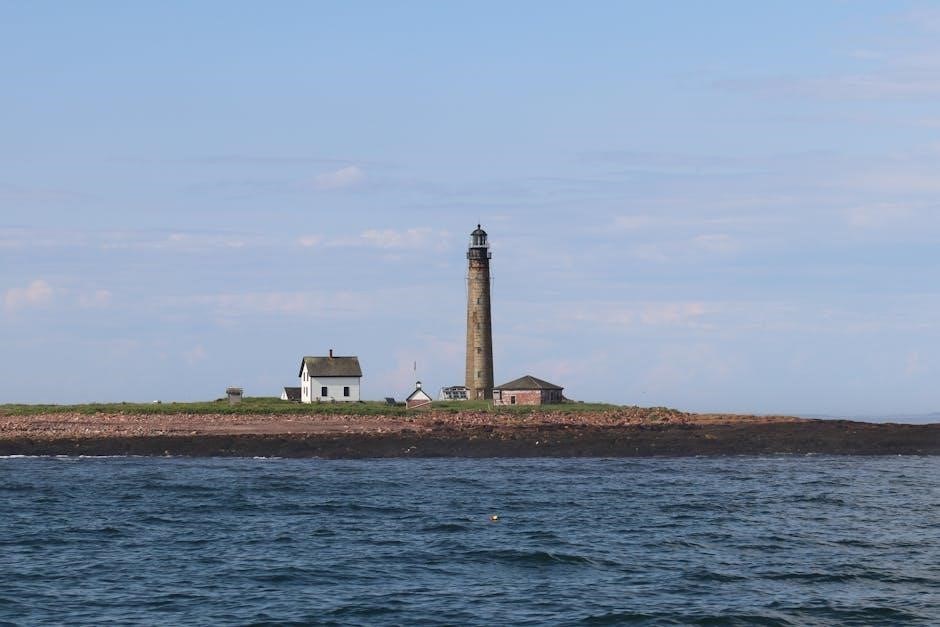
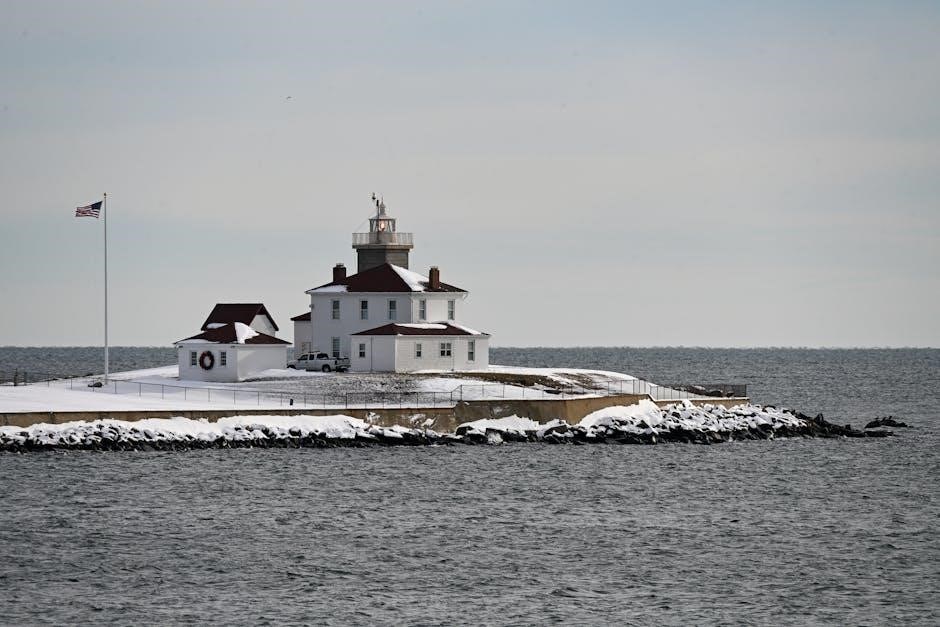
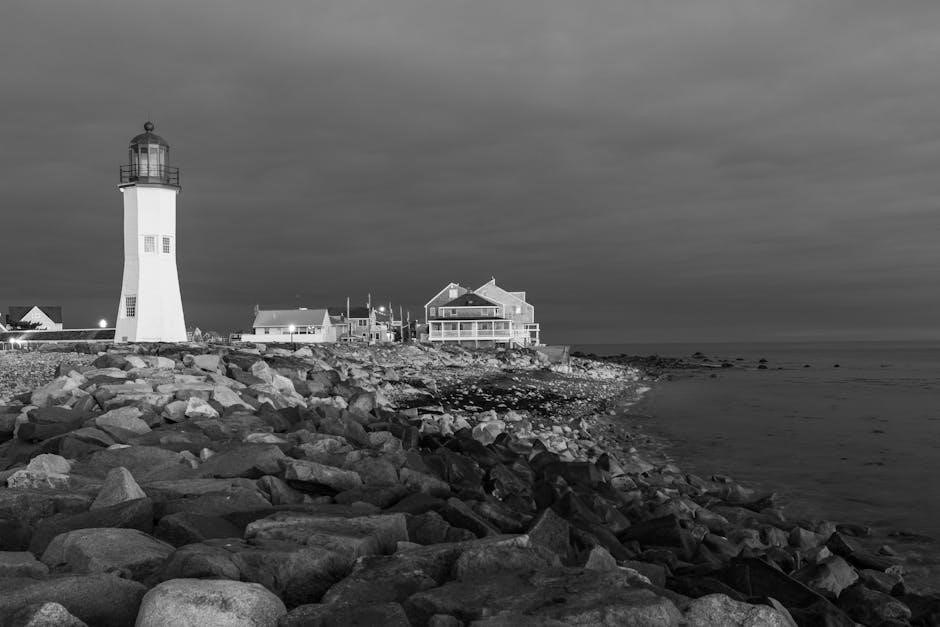
Coastal Maine is an iconic New England destination, famed for its rugged coastline and maritime heritage. Indulge in fresh lobster – a true culinary highlight – at countless seaside shacks and restaurants. Explore historic lighthouses, standing sentinel against the Atlantic, offering breathtaking views and photographic opportunities.
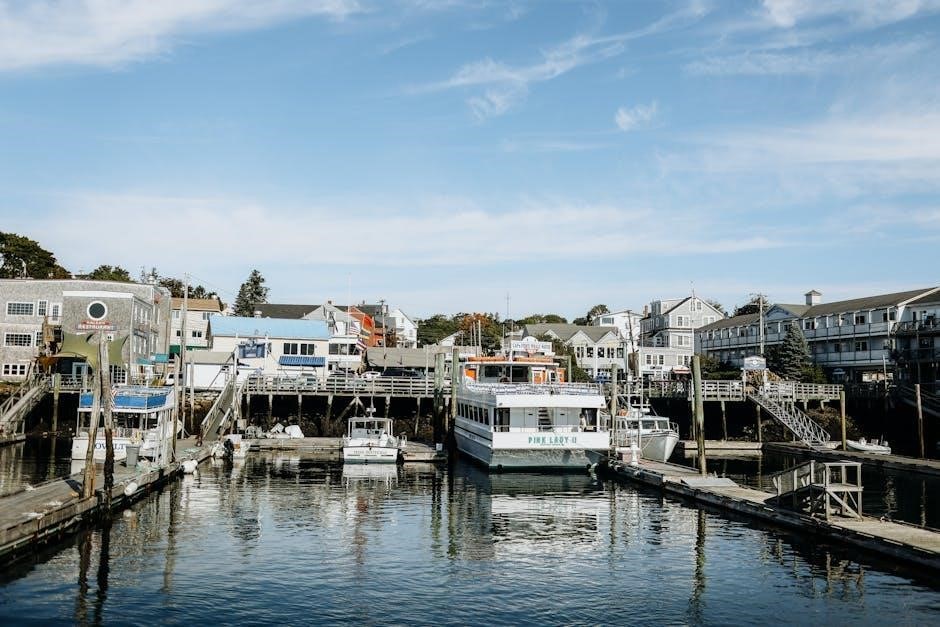
Charming coastal towns like Kennebunkport and Bar Harbor beckon with quaint shops and art galleries. Enjoy scenic drives along Route 1, discovering hidden coves and sandy beaches. Whale watching tours provide unforgettable encounters with marine wildlife. Coastal Maine offers a quintessential New England experience, blending natural beauty with local charm.
Vermont: Fall Foliage and Outdoor Activities
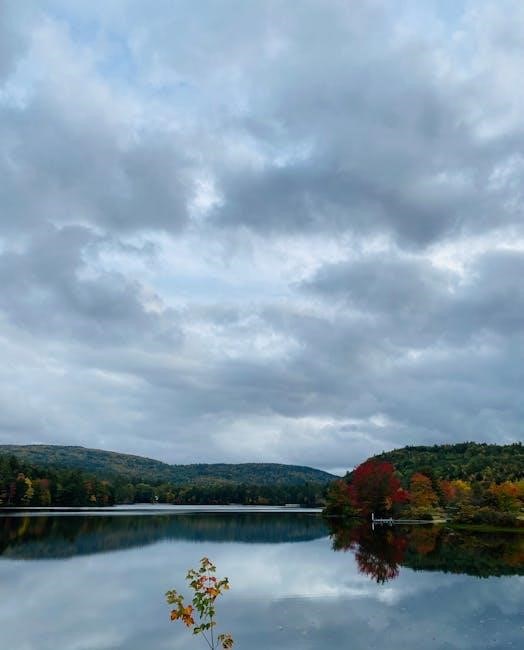
Vermont is renowned for its stunning natural beauty, particularly its vibrant fall foliage. During autumn, the Green Mountains transform into a kaleidoscope of colors, attracting visitors from around the globe. Beyond the foliage, Vermont offers a wealth of outdoor activities year-round.
Hiking and biking trails abound, catering to all skill levels. In winter, skiing and snowboarding are popular pursuits at resorts like Stowe and Killington. Explore charming towns like Burlington, nestled on the shores of Lake Champlain, and sample local cheeses and maple syrup. Vermont provides a peaceful escape, blending outdoor adventure with small-town charm.
Massachusetts: History and Culture
Massachusetts is a state steeped in American history and brimming with cultural attractions. Boston, the state capital, offers a captivating journey through the past with sites like the Freedom Trail, showcasing pivotal locations from the Revolutionary War. Explore historic neighborhoods like Beacon Hill and North End, each with its unique character.
Beyond Boston, discover charming coastal towns like Salem, famous for its witch trials, and picturesque Cape Cod, known for its beaches and seafood. World-class museums, including the Museum of Fine Arts and the Isabella Stewart Gardner Museum, enrich the cultural landscape. Massachusetts seamlessly blends historical significance with modern vibrancy.
New England Road Trip Itineraries
Embark on an unforgettable New England adventure with carefully crafted road trip itineraries. For solo travelers, a 7-day exploration offers flexibility and affordability, focusing on key highlights. Alternatively, the “Lobsters & More” tour, spanning 10 days from Hartford, Connecticut, to Bangor, Maine, covers 465 miles of scenic coastline and charming towns.
This extended route, costing approximately $2,879 per person (excluding flights), includes car hire and accommodation. Consider customizing these itineraries to suit your interests, whether it’s exploring historical sites, indulging in local cuisine, or enjoying outdoor activities. New England’s diverse landscapes and attractions promise a memorable road trip experience.
7-Day Solo Road Trip Budget Breakdown
Planning a solo New England road trip? Expect a total cost around $1,657 for seven days. Accommodation will likely average $104 per night for hotels, though vacation rentals can range from $180 to $420. Factor in daily expenses for food, activities, and gas.
Prioritize free or low-cost attractions like hiking trails and scenic overlooks. Consider camping or budget-friendly lodging options to reduce accommodation costs. A detailed breakdown should include approximately $50-$75 per day for food, $30-$50 for activities, and $40-$60 for gas, depending on distance traveled. Careful planning ensures an affordable and enjoyable solo adventure.
10-Day Lobsters & More Tour (Hartford to Bangor)
Embark on a 465-mile journey from Hartford, Connecticut, to Bangor, Maine, experiencing the best of New England! This 10-day tour showcases coastal charm, historic sites, and delicious cuisine. Trailfinders offers a similar tour starting around $2,879 per person, excluding flights, including car hire and lodging.
Expect to indulge in fresh lobster, explore picturesque lighthouses, and discover vibrant cities. Budget for gas, accommodation (averaging $104/night for hotels), and activities. Consider incorporating stops in Boston, Portland, and Acadia National Park. This itinerary balances iconic landmarks with hidden gems, offering a comprehensive New England experience.
Saving Money on Your New England Trip

Stretch your travel budget in New England by exploring affordable lodging options beyond traditional hotels. Vacation rentals can offer significant savings, averaging $180-$420 per night for an entire home, ideal for families or groups. Consider traveling during the shoulder season (spring or fall) to avoid peak season prices and crowds.
Reddit users suggest flying into cities slightly outside New England, like Montreal or Buffalo, for cheaper flights and car rentals. Look for free activities like hiking, beach visits, and exploring historic towns. Pack snacks and drinks to avoid expensive tourist traps. Smart planning ensures an enjoyable New England adventure without breaking the bank!
Affordable Lodging Options
Finding budget-friendly accommodation is key to an affordable New England trip. While hotels average $104 per night, vacation rentals present a compelling alternative, ranging from $180 to $420 for an entire home – perfect for families or those desiring more space. Explore options beyond major tourist hubs; lodging a couple of hours away can significantly reduce costs.
Consider charming bed and breakfasts, hostels (though less common in New England), or camping for even greater savings. Websites specializing in vacation rentals offer diverse choices. Remember to compare prices and read reviews before booking. Prioritizing lodging alternatives unlocks more funds for experiencing New England’s attractions!
Traveling During the Shoulder Season
Maximize your budget by visiting New England during the shoulder seasons – spring (April-May) and fall (September-October). These periods offer a sweet spot: fewer crowds, pleasant weather, and lower prices on accommodation and transportation. You’ll avoid the peak summer rates while still enjoying much of what New England has to offer.
Fall foliage is a major draw in the shoulder season, but book in advance! Spring brings blooming wildflowers and milder temperatures. Be prepared for potentially changeable weather and pack accordingly. Traveling during these times allows you to experience New England’s beauty without breaking the bank, making your trip more accessible and enjoyable.
Fall Foliage in New England
Witness the spectacular transformation of New England’s landscapes during fall foliage season, typically peaking from late September to mid-October. Vermont, New Hampshire, and Maine are renowned for their vibrant displays of red, orange, and yellow hues. The timing varies depending on latitude and elevation, so check foliage reports before you go!

Scenic drives along country roads are a must. Consider hiking trails for panoramic views. Popular spots include the White Mountains of New Hampshire, the Green Mountains of Vermont, and the Maine coast; Be aware that this is a peak season, so book accommodations and transportation well in advance to secure the best options and prices.
Unique Experiences in New England
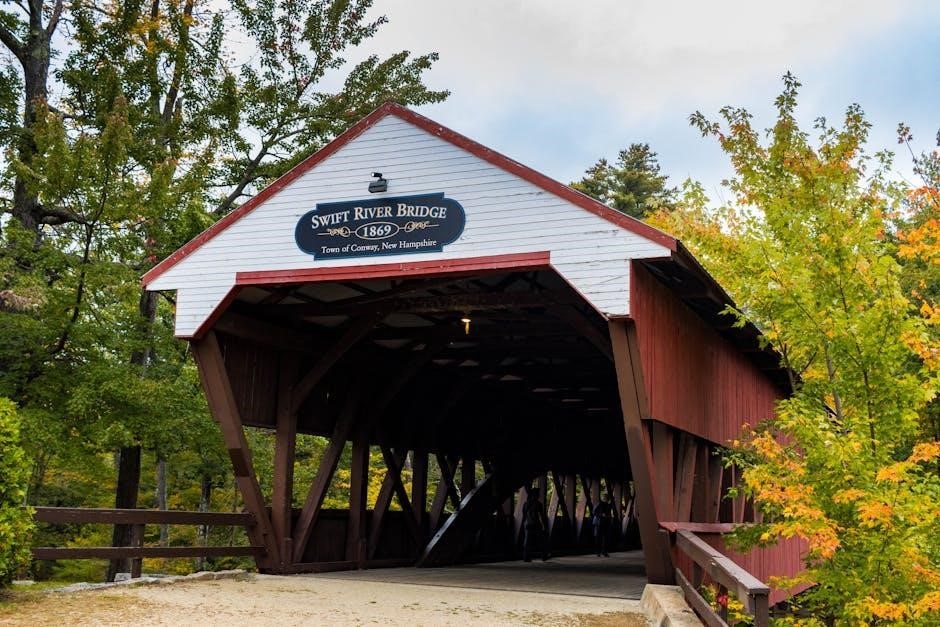
Beyond the iconic lighthouses and fall foliage, New England offers a wealth of unique experiences. Explore historic whaling towns, indulge in a lobster bake on the Maine coast, or take a scenic train ride through the Vermont countryside. Discover charming covered bridges and quaint villages steeped in history.
For art enthusiasts, visit renowned museums in Boston and Providence. Outdoor adventurers can enjoy hiking, biking, kayaking, and whale watching. Consider attending a local festival or farmers market to immerse yourself in the regional culture. Don’t miss the opportunity to sample local craft beers and New England cuisine – a true taste of the region!
Resources for Planning Your Trip
Planning a New England adventure is easier than ever with a wealth of online resources. Reddit’s r/newengland and r/travel offer valuable insights and firsthand experiences from fellow travelers. Champion Traveler provides detailed cost breakdowns for solo, couple, and family trips, aiding budget creation.
National Geographic offers inspiring road trip itineraries, like the 10-day “Lobsters & More” tour from Hartford to Bangor. JoJos Cup of Mocha details a 7-day solo road trip budget. Trailfinders provides packaged tours, costing from £2,879 per person. Utilize these platforms to refine your itinerary, discover hidden gems, and ensure a seamless and memorable New England experience.
Safety Tips for New England Travelers
While New England is generally a safe destination, preparedness is key. Be mindful of changing weather conditions, especially during fall foliage season and winter months, impacting road travel. Coastal areas can experience strong currents and unpredictable tides; heed all warnings near the ocean.
When hiking, inform someone of your plans and carry essentials like water, a map, and a first-aid kit. Be aware of wildlife, including bears and moose, particularly in Vermont and Maine. Secure your belongings, especially in crowded tourist areas. Finally, stay informed about local news and advisories, ensuring a secure and enjoyable New England exploration.